Murmansk Governor Arrest Shakes Russia's Regional Investment Climate
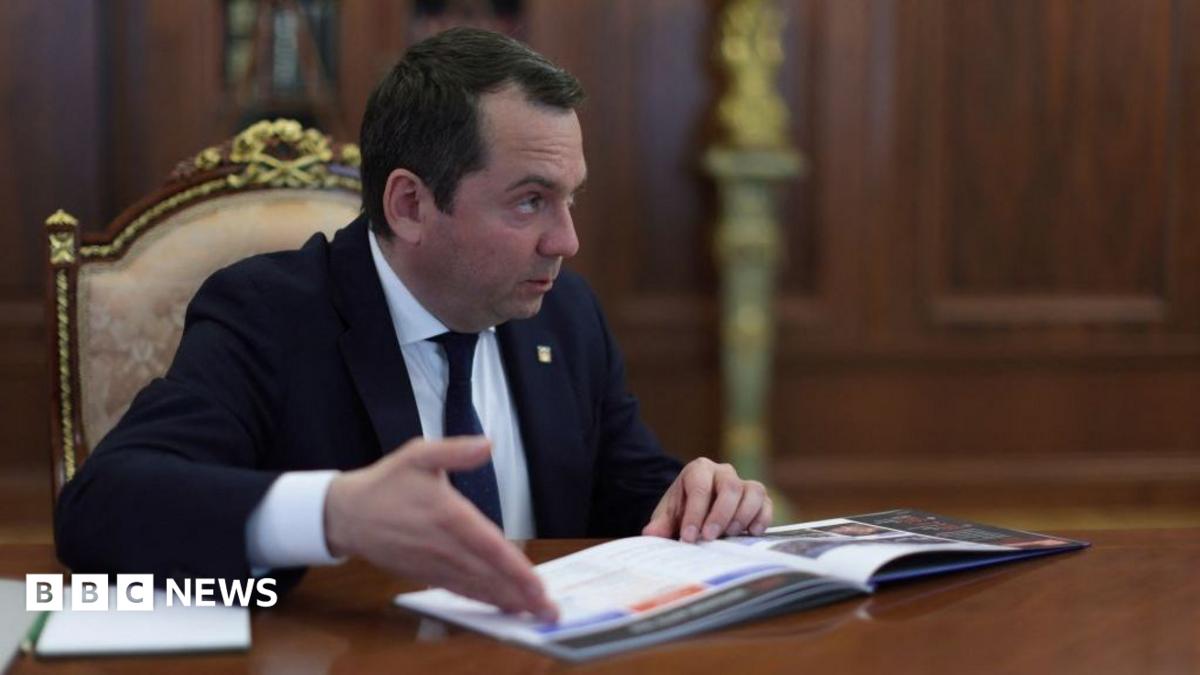
Andrei Chibis, governor of Russia's Murmansk region, has been detained in a rare criminal case, marking the first such action against a sitting governor in five years. The move raises concerns over governance stability and investment risk in Russia's strategic Arctic territory.
Executive Takeaways
- Rare Enforcement: Andrei Chibis is the first sitting governor detained in five years, signaling a potential shift in Kremlin oversight of regional leaders.
- Strategic Region: Murmansk is vital for Russia's Arctic ambitions, hosting major energy, mining, and transport projects.
- Investment Chill: The detention introduces governance uncertainty, likely deterring both domestic and foreign investment in the region.
- Business Impact: Companies operating in Murmansk may face delays, increased scrutiny, and reputational risks.
- Watch for: Details of the criminal case, Kremlin's next moves, and reactions from major employers like Norilsk Nickel and Novatek.
Section 1: The Core Event & Breaking Timeline
On [Date], Andrei Chibis, the governor of Russia's northern Murmansk region, was detained by law enforcement authorities, according to a BBC News report. The detention marks the first criminal case against a sitting governor in five years, making it a rare and significant event in Russian regional politics. Chibis, who has led the Murmansk region since 2019, was taken into custody amid an ongoing investigation, though specific charges have not been publicly disclosed. The arrest was confirmed by local media and has sent shockwaves through the regional administration.
The timing of the detention is notable, coming as Russia continues to navigate economic challenges exacerbated by international sanctions and shifting global energy markets. Murmansk, located in the Arctic Circle, is a strategically critical region for Russia, home to key military installations, major port infrastructure, and significant natural resource extraction operations. The governor's detention has immediate implications for the region's governance and could disrupt ongoing projects and initiatives.
Initial market reaction has been muted but cautious. The Moscow Exchange showed little immediate volatility, but analysts suggest that the detention could weigh on investor sentiment, particularly for companies with exposure to the Murmansk region. The ruble remained relatively stable against major currencies, but the longer-term impact on regional investment remains uncertain. Local businesses have expressed concern over potential disruptions to administrative processes and permitting.
The Kremlin has not issued a detailed statement, but presidential spokesman Dmitry Peskov indicated that the investigation is a law enforcement matter. This detachment is typical of the Kremlin's approach to such cases, allowing for plausible deniability while signaling that regional leaders are not immune to scrutiny. The detention of Chibis follows a pattern of periodic crackdowns on regional officials, often linked to corruption or mismanagement, but the five-year gap since the last such case suggests a possible recalibration of oversight.
Section 2: Deep Technical & Financial Architecture
The Murmansk region's economy is heavily reliant on extractive industries, particularly mining and metallurgy, as well as fishing and port activities. The region is home to major operations of Norilsk Nickel, one of the world's largest producers of nickel and palladium, and is a key hub for Novatek's Arctic LNG projects. The governor's detention could impact the regulatory environment for these companies, potentially leading to delays in permits, increased compliance costs, and heightened scrutiny of local operations.
From a financial perspective, the detention introduces a governance risk premium for investors in Murmansk-based assets. Companies with significant operations in the region may see their credit default swap spreads widen, and equity valuations could come under pressure if the case escalates. The region's budget, which relies heavily on tax revenues from these industries, could also be affected if operations are disrupted or if companies reassess their investment plans.
Unit economics for key projects in the region, such as the development of the Northern Sea Route and the construction of new port facilities, are sensitive to political stability. The detention of a governor can slow down decision-making processes, as acting officials may be more risk-averse and less willing to approve major expenditures. This could delay critical infrastructure projects that are essential for Russia's Arctic strategy.
The technology stack supporting the region's industries is advanced, with companies employing digital monitoring and automation in mining and energy production. However, the governance uncertainty could deter investment in new technologies, as companies may adopt a wait-and-see approach. The region's digital infrastructure, including plans for smart city initiatives in Murmansk, could also face setbacks if administrative continuity is disrupted.
Furthermore, the detention may affect the region's ability to attract financing from state development funds and private investors. The Russian Direct Investment Fund (RDIF) and other state-backed entities often require stable regional leadership to co-invest in projects. A prolonged period of uncertainty could lead to a freeze in new investments, impacting the region's economic growth trajectory.
Section 3: Industry & Global Market Ripple Effects
The detention of Governor Chibis is likely to have ripple effects across Russia's Arctic development plans and the broader commodities market. Murmansk is a key node in the global supply chain for nickel, palladium, and other critical minerals, and any disruption to production or logistics could impact global prices. Norilsk Nickel, which operates the Kola Mining and Metallurgical Company in the region, may face increased operational risks, potentially affecting its output and export schedules.
In the energy sector, Novatek's Arctic LNG 2 project, which relies on the Northern Sea Route for transportation, could see delays if regional administration becomes preoccupied with the investigation. The project is already under pressure from international sanctions, and the detention adds another layer of uncertainty. Global LNG buyers, particularly in Asia, may seek alternative suppliers if they perceive increased risk.
Competitors in the Arctic, such as Norway and Canada, may benefit from any perceived instability in Russia's Arctic operations. However, the extent of this benefit depends on the duration and outcome of the case. International investors in Russian assets are likely to adopt a more cautious stance, potentially reallocating capital to other emerging markets with more predictable governance.
Within Russia, the detention could set a precedent for increased scrutiny of other regional leaders, leading to a more cautious approach to decision-making at the subnational level. This could slow down investment approvals and project implementation across the country, particularly in regions with similar economic profiles. The business community is watching closely to see if this is an isolated case or the start of a broader campaign.
Section 4: Critical Perspectives, Analyst Debates & Risk Factors
Analysts are divided on the implications of the detention. Some view it as a necessary step to combat corruption and improve governance, which could ultimately benefit the business climate by ensuring that regional leaders are held accountable. Others see it as a politically motivated move that undermines predictability and deters investment. The lack of transparency regarding the charges against Chibis fuels speculation and uncertainty.
One key risk factor is the potential for the case to escalate and involve other officials or business figures, creating a domino effect that could destabilize the regional administration. If the investigation uncovers widespread corruption, it could lead to a purge of the regional government, causing significant disruptions to ongoing projects and services.
Another vulnerability is the reaction of major employers in the region. If companies like Norilsk Nickel or Novatek perceive that the governor's detention is part of a broader campaign against business, they may reconsider their investment plans. This could have long-term consequences for the region's economy and Russia's Arctic ambitions.
Regulatory friction is also a concern. The detention may lead to increased scrutiny from federal authorities on regional spending and project approvals, adding layers of bureaucracy that could slow down economic activity. Companies may need to navigate a more complex regulatory environment, increasing compliance costs and project timelines.
Section 5: Strategic Forecast & Road Ahead
In the next 12 to 24 months, the trajectory of the Chibis case will be closely watched. If the investigation concludes quickly and a successor is appointed with a clear mandate, the region could stabilize and resume its development agenda. However, if the case drags on, it could create a prolonged period of uncertainty, deterring investment and slowing projects.
Upcoming milestones include the formal charges against Chibis, the appointment of an acting governor, and the Kremlin's signals regarding its intentions. The reaction of major corporations operating in the region will be a key indicator of the business community's confidence. Additionally, any changes to the regional budget or investment programs will be scrutinized for signs of disruption.
What to watch: The Kremlin's handling of the case, the stance of federal ministries towards Murmansk projects, and the performance of Norilsk Nickel and Novatek's shares. Also, monitor the Northern Sea Route traffic and any delays in Arctic LNG 2. The situation could also influence Russia's broader approach to regional governance and anti-corruption efforts.
Ultimately, the detention of Governor Chibis serves as a reminder of the governance risks inherent in investing in Russia, particularly in strategic regions. While the immediate market reaction has been muted, the long-term implications for investor confidence and regional development could be significant. Stakeholders should prepare for increased volatility and potential disruptions in the Murmansk region.


Comments (0)
No comments yet. Be the first to share your thoughts!
Leave a Comment