Vijayawada Civic Polls: New Mayor Vows Tech-Driven Urban Reform
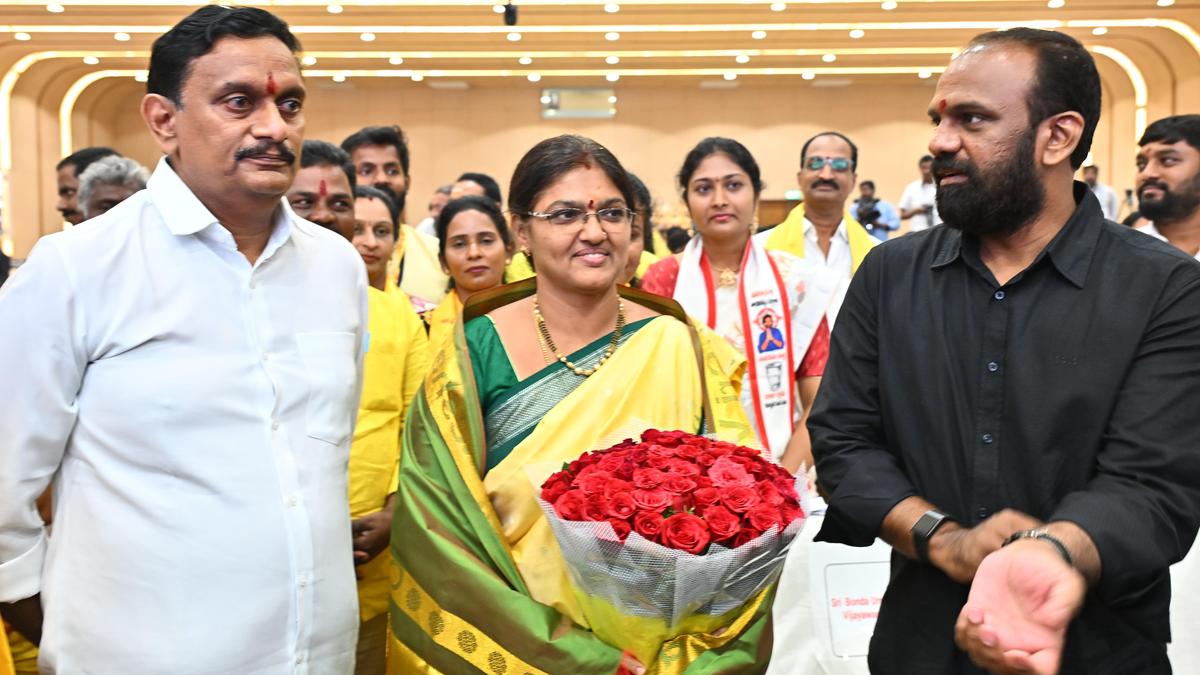
Vangaveeti Radha Krishna takes oath as the 13th Mayor of Vijayawada, with Chennupati Kanthisri as Deputy Mayor. The new leadership faces pressing urban challenges, from infrastructure financing to smart city tech deployment.
Executive Takeaways
- New Leadership: Vangaveeti Radha Krishna (TDP) sworn in as the 13th Mayor of Vijayawada, with Chennupati Kanthisri (TDP, Ward 12) as Deputy Mayor.
- Economic Stakes: Vijayawada is a key commercial hub in Andhra Pradesh, with a growing tech and startup ecosystem; the new administration's policies will impact urban infrastructure, digital governance, and municipal finance.
- Tech Focus: The mayor's agenda includes smart city initiatives, digital service delivery, and leveraging data for urban planning—critical for attracting investment.
- Financial Challenges: The Vijayawada Municipal Corporation (VMC) faces a revenue shortfall exacerbated by the pandemic; innovative financing models like municipal bonds and PPPs are under consideration.
- Watch For: Upcoming budget allocations for IT infrastructure, the rollout of e-governance platforms, and partnerships with private tech firms.
Section 1: The Core Event & Breaking Timeline
On Wednesday, Vangaveeti Radha Krishna was sworn in as the 13th Mayor of Vijayawada, marking the beginning of a new term for the Vijayawada Municipal Corporation (VMC). The oath of office was administered to 85 corporators, alongside the mayor and deputy mayor, Chennupati Kanthisri, a TDP corporator from Ward 12. The event, held at the VMC headquarters, was attended by local officials, party members, and citizens, signaling the formal transfer of administrative responsibilities.
Radha Krishna, a seasoned politician and businessman, inherits a city that is at a critical juncture. Vijayawada, often called the 'Commercial Capital of Andhra Pradesh,' is a bustling metropolis with a population of over 1.5 million and an economy that spans agriculture, trade, and a nascent IT sector. The city's strategic location on the banks of the Krishna River and its connectivity via road, rail, and air have made it a logistics and trading hub. However, rapid urbanization has strained infrastructure, and the new mayor faces the challenge of balancing growth with sustainability.
The immediate market reaction to the political transition has been muted, as is typical for local elections. However, business leaders and investors are closely watching the new administration's stance on key issues such as property taxes, building regulations, and digital governance. The VMC's finances have been under pressure, with revenues hit by the pandemic and a slowdown in the real estate sector. The new mayor's ability to attract investment and streamline municipal services will be crucial for the city's economic trajectory.
The swearing-in ceremony also highlighted the political dynamics at play. The Telugu Desam Party (TDP) has a strong presence in the VMC, and the election of both mayor and deputy mayor from the party indicates a consolidation of power. This could facilitate smoother decision-making but also raises expectations for swift action on pending projects. The mayor's inaugural speech emphasized transparency, citizen engagement, and the use of technology to improve service delivery—a nod to the growing demand for smart city solutions.
Section 2: Deep Technical & Financial Architecture
The Vijayawada Municipal Corporation operates under a complex financial and administrative framework. Its revenue sources include property taxes, water charges, building permits, and grants from the state and central governments. In the fiscal year 2022-23, the VMC's budget was approximately ₹2,500 crore, with a significant portion allocated to infrastructure projects. However, the corporation has struggled with tax collection efficiency, with arrears mounting over the years. The new mayor has proposed a digital overhaul of the tax collection system, including the use of GIS mapping and mobile payment platforms, to improve compliance and revenue.
On the technology front, Vijayawada has been part of the Smart Cities Mission, with projects aimed at improving urban mobility, waste management, and public safety. The VMC has implemented an Integrated Command and Control Centre (ICCC) that monitors traffic, surveillance cameras, and utility services. The new administration plans to expand the ICCC's capabilities to include data analytics for predictive maintenance and resource allocation. Additionally, the city is exploring the use of IoT sensors for water management and street lighting, which could lead to significant energy savings.
The financial architecture of the VMC also involves partnerships with private entities through public-private partnerships (PPPs). For instance, the city has leveraged PPP models for solid waste management and street lighting. The new mayor is expected to push for more such collaborations, particularly in the areas of renewable energy and affordable housing. However, PPPs come with risks, including contract management and revenue-sharing complexities, which the administration must navigate carefully.
Another critical aspect is the VMC's balance sheet health. The corporation has a debt burden of around ₹500 crore, primarily from loans taken for infrastructure projects. With limited fiscal space, the mayor will need to prioritize projects that generate revenue or attract external funding. The state government's support will be vital, especially for large-scale projects like the proposed metro rail extension and the development of the Krishna Riverfront.
To attract investment, the VMC is also considering issuing municipal bonds, a relatively new financing instrument in India. Cities like Pune and Hyderabad have successfully raised funds through bonds, and Vijayawada could follow suit if it improves its credit rating. The mayor's background in business may help in engaging with financial institutions and investors, but it will require a transparent and accountable governance framework.
Section 3: Industry & Global Market Ripple Effects
Vijayawada's economic ecosystem is diverse, with agriculture, trade, and manufacturing forming the backbone. However, the city is increasingly positioning itself as an IT and startup hub. The Andhra Pradesh government has been promoting the 'Startup India' initiative, and Vijayawada has seen a rise in tech startups, particularly in agritech, fintech, and healthtech. The new mayor's focus on digital infrastructure could provide a fillip to these sectors, attracting venture capital and talent.
The city's proximity to Amaravati, the planned capital of Andhra Pradesh, is another factor. Although the capital project has faced delays, the eventual development could spur demand for real estate and services in Vijayawada. The mayor's ability to coordinate with the state government on infrastructure projects will be key to leveraging this opportunity. Additionally, the proposed IT corridor along the Vijayawada-Guntur highway could transform the region into a tech cluster, similar to Hyderabad's HITEC City.
On the global stage, Vijayawada's trade links are primarily through agricultural exports, especially mangoes, rice, and spices. The city's port connectivity via Machilipatnam and Krishnapatnam ports facilitates international trade. The new administration's policies on logistics and warehousing could impact export competitiveness. Furthermore, the city's growing importance as a logistics hub for e-commerce companies could attract investments in warehousing and fulfillment centers.
Investors are also eyeing the renewable energy sector in Andhra Pradesh, and Vijayawada could become a testbed for solar rooftop installations and electric vehicle charging infrastructure. The mayor's stance on green building norms and energy efficiency will influence the city's attractiveness for sustainable investments. Overall, the ripple effects of Vijayawada's governance will extend beyond its borders, influencing the broader regional economy.
Section 4: Critical Perspectives, Analyst Debates & Risk Factors
While the new mayor's agenda is ambitious, analysts caution that execution will be challenging. The VMC's bureaucratic inertia and resistance to change could slow down digital initiatives. Previous attempts at e-governance have met with mixed success due to poor user adoption and inadequate training. The mayor will need to invest in capacity building and change management to ensure that technology translates into tangible benefits for citizens.
Financial constraints are a major risk. The VMC's revenue base is narrow, and any economic downturn could exacerbate fiscal stress. The proposed digital tax collection system requires upfront investment in technology and manpower, with uncertain returns. Moreover, the state government's fiscal position may limit grants to urban local bodies. The mayor's plan to issue municipal bonds hinges on improving the corporation's creditworthiness, which requires sustained revenue growth and prudent financial management.
Political dynamics also pose a risk. While the TDP's dominance in the VMC may ensure legislative support, it could also lead to complacency and lack of accountability. The opposition's role in scrutinizing the administration's decisions will be crucial. Additionally, the mayor's business background might raise concerns about conflicts of interest, especially in PPP deals. Transparency in procurement and contract awards will be essential to maintain public trust.
From a technology perspective, cybersecurity is an emerging risk. As the city adopts digital platforms for services and data management, the threat of cyberattacks increases. The VMC must invest in robust cybersecurity infrastructure and data privacy protocols. The mayor's tech-savvy image may help in prioritizing these issues, but it will require collaboration with experts and continuous monitoring.
Section 5: Strategic Forecast & Road Ahead
In the next 12 months, the mayor's immediate priorities will be to stabilize the VMC's finances and launch quick-win digital initiatives. Expect announcements on property tax reforms, a mobile app for civic services, and partnerships with tech companies for smart city solutions. The mayor may also push for the completion of pending infrastructure projects, such as road widening and drainage improvements, to demonstrate progress.
By the 24-month mark, the administration aims to have a fully functional integrated command center, expanded e-governance services, and a pipeline of PPP projects. The success of these initiatives will depend on the mayor's ability to secure funding and build consensus. Key milestones include the VMC's credit rating upgrade, the launch of municipal bonds, and the operationalization of new IT parks.
What to watch: The state government's budget allocations for Vijayawada, the mayor's engagement with industry bodies like the Confederation of Indian Industry (CII), and the progress on the Amaravati capital project. Additionally, the mayor's handling of the city's waste management crisis and water supply issues will be critical for public satisfaction.
In the long term, Vijayawada's trajectory will be shaped by its ability to transition from a traditional trading hub to a modern, tech-enabled city. The new mayor's leadership will be pivotal in this transformation. If successful, Vijayawada could emerge as a model for other tier-2 cities in India, showcasing how technology and financial innovation can drive sustainable urban development.




Comments (0)
No comments yet. Be the first to share your thoughts!
Leave a Comment